Choose honesty over a perfect sentence
The hardest part of an apology card is often resisting the wish to make it sound beautiful. When you have hurt or disappointed someone, a polished sentence can feel less helpful than a plain acknowledgment. You do not need to find words that make the situation disappear. You need words that make it clear you understand why the other person might be upset.
Begin before you choose the bouquet. Write one sentence about what happened without describing your own embarrassment or explaining why you are a good person. That first draft may feel uncomfortable; it is often where the useful part starts. Flowers from the apology collection can accompany the note if receiving a gift would be welcome. They should never be used to bypass a request for space or no contact. The card belongs to the recipient’s experience of the apology, not only to your need to express it.
Name the action instead of the atmosphere
“I am sorry about everything” can be heartfelt, but it leaves the recipient doing the work of deciding what you mean. Naming the action gives the apology a clearer shape. For a missed commitment, you might write, “I am sorry I cancelled when you were counting on me.” For an unkind comment, “What I said was hurtful, and I should not have said it” is more direct than apologizing for a misunderstanding.
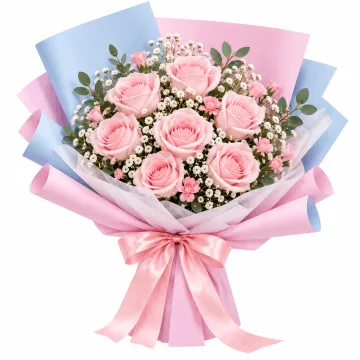
Avoid making the recipient’s reaction the problem. “I am sorry you were upset” can sound as though the feeling, rather than your behavior, needs explaining. Try to acknowledge the impact as you understand it while leaving room for them to tell you more. A small bouquet such as A Little Blush can sit beside those words without turning the note into a dramatic announcement. You are offering an acknowledgment, not presenting a case for immediate forgiveness.
Keep explanations from becoming excuses
There may be useful context for a later conversation, but the card is rarely the place for a long defense. If every sentence after “sorry” begins with a reason you could not help it, the recipient may feel asked to take care of your feelings before their own have been heard. Keep the note focused on responsibility and care.
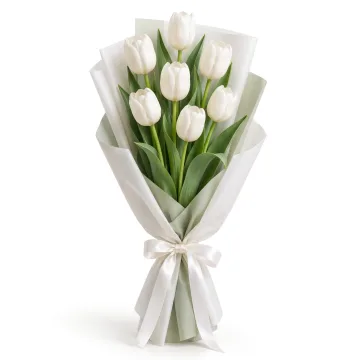
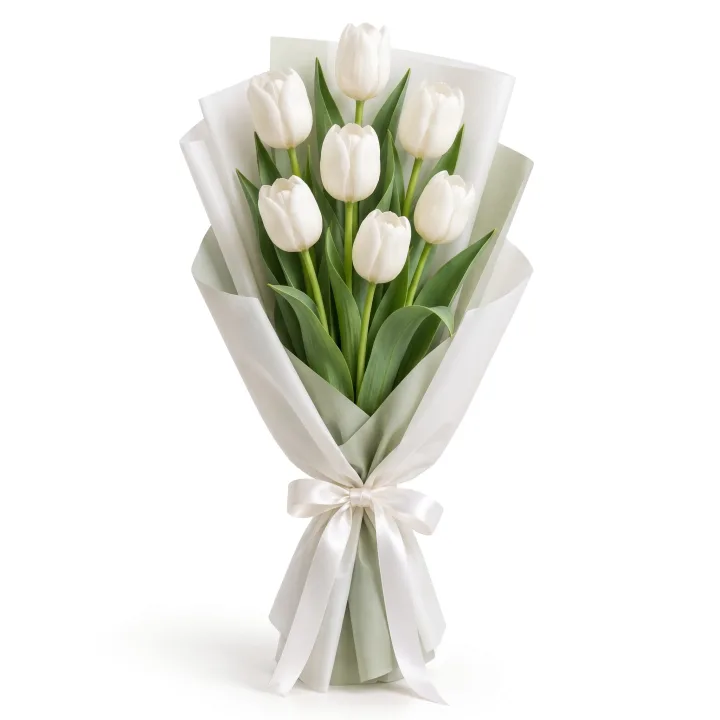
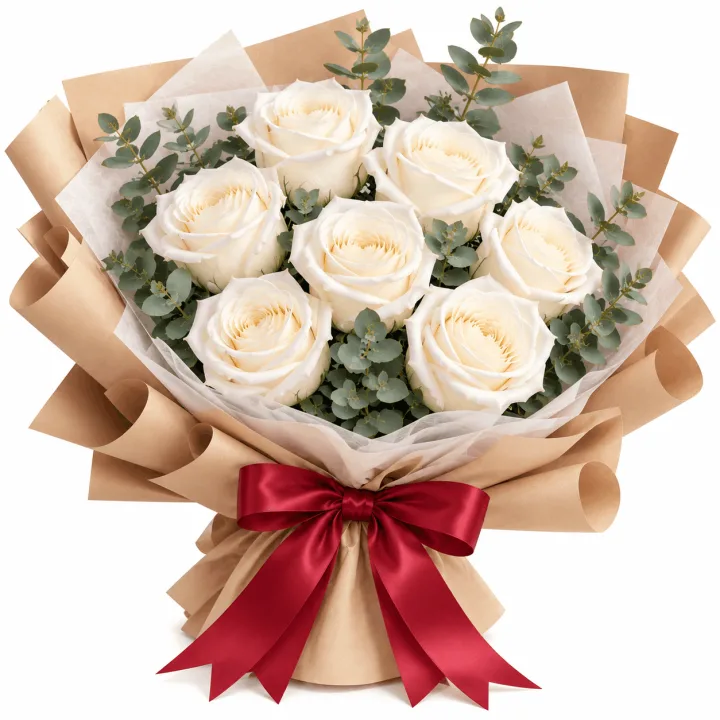
A helpful check is to remove the word “but” and see whether the sentence still stands. “I was overwhelmed, but I should have spoken to you kindly” can become “I should have spoken to you kindly.” The shorter version leaves less room for ambiguity. You can still have a conversation about stress or circumstances when the other person is ready. Choose a bouquet that does not demand an equally large response: white tulips or white roses may feel visually quiet if they suit the recipient’s preferences.
Make only a promise you can keep
It can be tempting to end a difficult note with “I will never let you down again.” That sounds reassuring, but it is too broad to guide what happens next. A specific, realistic action can be more trustworthy. If the issue was forgetting a commitment, explain how you will keep track of it. If it was not listening, say you want to hear their view without interrupting.
Do not promise a result you cannot control, such as making the recipient feel better by a particular day. You can take responsibility for your actions, not their timetable. A line like “I want to do better, and I know that needs to show in what I do next” keeps the apology connected to the future without asking the bouquet to prove anything. The free personalized message card gives you room for that sincerity. It is fine if the words are simple; they should sound like something you are prepared to live by.
Leave the ending open and kind
A considerate closing does not demand a reply. “I understand if you need time” or “I am here to listen when you want to talk” can leave room for the recipient’s choice. Only write the second line if further contact is appropriate. If they have asked not to be contacted, honor that request rather than using a delivery to continue the conversation indirectly.
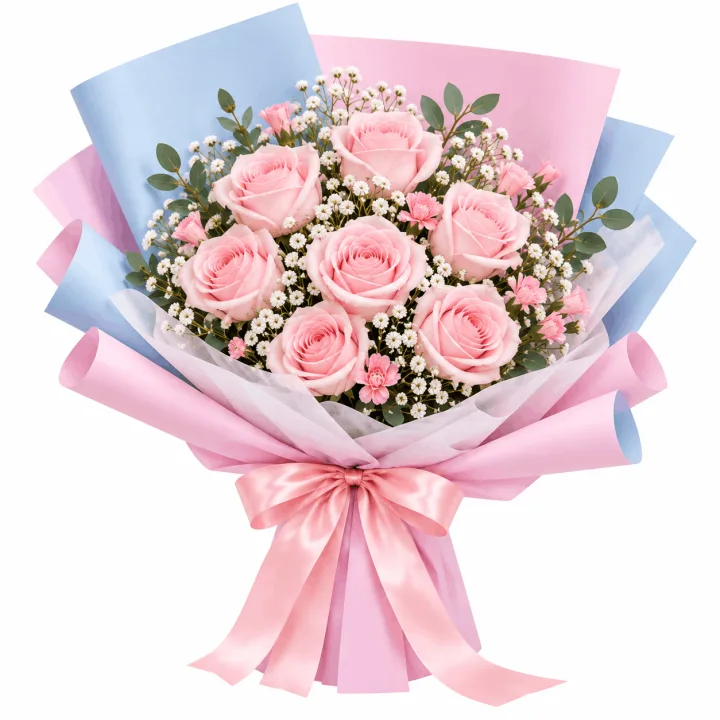
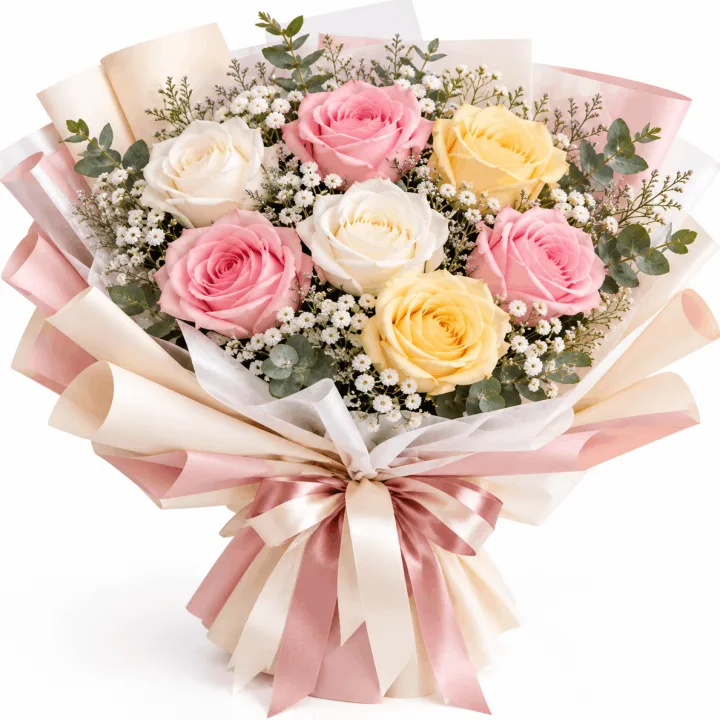
Read the whole note aloud. Does it contain a clear apology, an acknowledgment and a respectful ending? Is there a hidden request that they reassure you? Remove any sentence that sounds like a deadline for forgiveness or a reminder of how much you spent. Blush & Buttercream pastel roses or another mixed bouquet may be a fitting accompaniment, but the card should still make sense without the gift. Your words are responsible for the apology; the flowers simply bring a little gentleness with them.
Give the message a considerate setting
Before ordering, think about who else might read the card. A workplace delivery can make a private situation feel public, even if that was not your intention. Choose a suitable address and time, and keep intimate details off a card that may be opened around colleagues or family. Respectful privacy can be part of the apology itself.
For Bangkok delivery, enter the full address and local contact details, then select from the available dates at checkout. Check with our LINE or WhatsApp team before relying on same-day service; flower availability, order time and location all matter. After the gift is sent, let the recipient decide how to respond. Do not ask for a photograph as evidence that the gesture was appreciated. The strongest follow-up is often quiet consistency: doing the thing you said you would do, listening when invited, and allowing a sincere note to stand without repeated explanations.
Check whose feelings the note is asking them to manage
A useful final edit is to look for sentences centered on how terrible you feel. It is fine to be honest about regret, but a card filled with your distress can leave the recipient feeling they should comfort you. Try to keep the balance with the person who was hurt. Name what you did, acknowledge the impact, and leave your own need for reassurance out of the request.
This does not mean the note should sound cold or formal. Warmth can come from care, humility and a familiar voice. “I know this was disappointing, and I am sorry” may be more useful than several lines about how you cannot stop thinking about your mistake. If you need support with your own feelings, seek it in an appropriate place rather than placing that task on the recipient of the apology. A clear note gives them fewer things to untangle when they open the flowers.
Keep Exploring
Choose apology flowers thoughtfully · Keep a personal delivery considerate