A private gesture should stay private
A bouquet can feel tender when it arrives in the right context and uncomfortable when it draws attention to something personal. Before planning an apology delivery, consider how the recipient will experience the moment. Will colleagues gather around? Will family members ask questions? Would they prefer to receive a note quietly at an agreed address?
Start with permission and context rather than the idea of a dramatic reveal. If the person has asked for space, a surprise delivery is not a respectful workaround. If flowers would be welcome, decide how to keep the gesture comfortable. The apology flower collection is there to help you choose a suitable arrangement, but the important work begins before you click a product. A private apology does not need an audience. Sometimes the kindest plan is a modest bouquet delivered after a conversation, with no expectation that the recipient display it or explain it to anyone.
Let the setting guide the arrangement
Imagine where the flowers will be placed after they arrive. A smaller living room may suit a modest bouquet, while someone with a favorite vase might enjoy a simple bunch in a familiar color. Avoid choosing a large arrangement solely because you want the apology to look substantial. Consideration is not measured by how much space the flowers occupy.
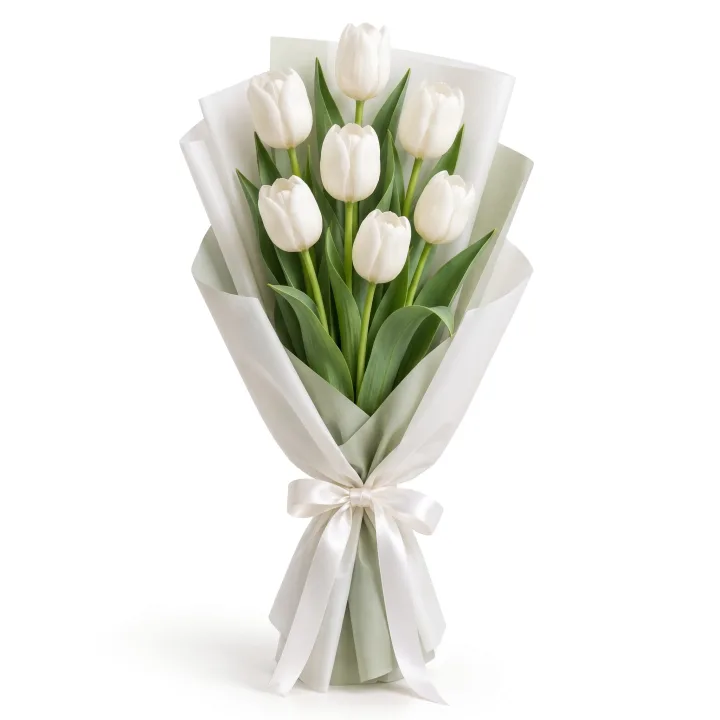
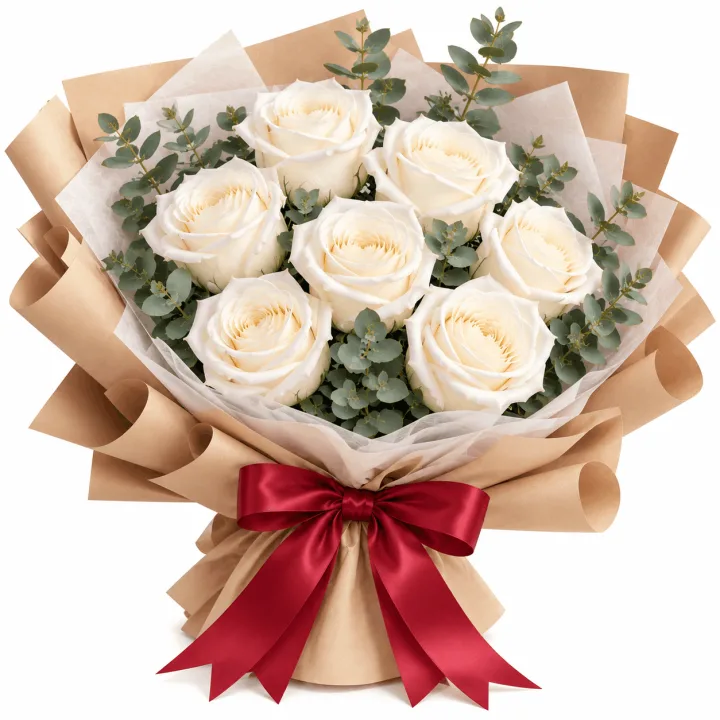
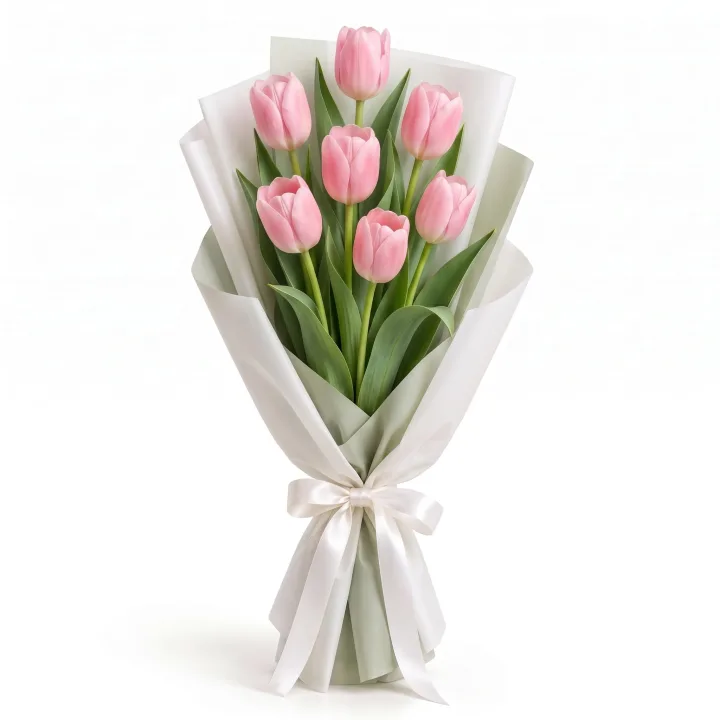
Pure Elegance white tulips have a quiet visual style, while A Quiet Love white roses offer another understated option. For a recipient who loves warmer tones, Sweet on You pink tulips may be more personal than white flowers chosen for a supposed universal meaning. Open the product pages to compare the listed sizes and photographs. Let their taste and their space decide the scale, rather than treating the bouquet as a statement about your own effort.
Choose the date with their routine in mind
A delivery at an inconvenient moment can turn a thoughtful idea into something the recipient has to manage. Consider work, travel, family plans and whether someone will be available to receive the flowers. Do not send them to an address simply because it is the only one you know if you have reason to think receiving a gift there would be awkward.
For a home delivery in Bangkok, provide the full building and unit details and a local contact number. If the address is unfamiliar to you, confirm it through an appropriate, welcome conversation rather than trying to obtain private information indirectly. At checkout, review the dates and delivery options actually available. For an urgent request, ask the team on LINE or WhatsApp first. Same-day service depends on flower availability, order time and location; a rushed order should not become another source of pressure for either person.
Keep the card clear and free of pressure
The complimentary personalized message card can make the intention clear without sharing the entire history of the situation. Acknowledge what happened, offer a sincere apology and allow the recipient room to respond in their own time. Avoid writing something that requires them to prove they have forgiven you by calling, posting a photograph or agreeing to meet.
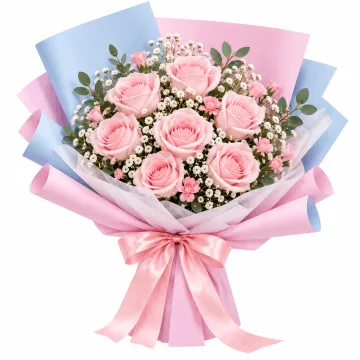
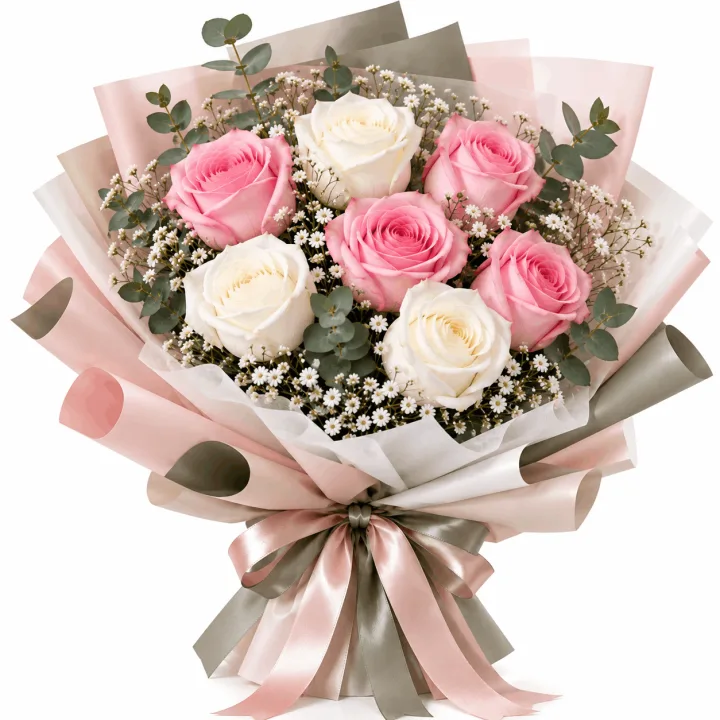
Consider a note such as, “I am sorry for letting you down. I understand why it hurt, and I know a gift does not put it right. I wanted to send a little care, with no need to reply.” Use that only as a starting point; the most useful words are the ones that accurately describe your situation. A bouquet like Better Together pink and white roses may feel gentle if it matches their preferences, but its name should not be used to imply that the relationship has already returned to normal.
Make the logistics simple for the recipient
Write receiving instructions that are practical and appropriate: a building name, a normal access arrangement, or a contact who has agreed to help. Do not ask staff, friends or delivery workers to persuade the recipient to accept an unwanted gift. The surprise should never depend on someone ignoring a boundary or sharing information they should keep private.
Review the order before completing it. Check the spelling of the recipient’s name, the selected bouquet and size, the message and the delivery date. A small mistake can make an already sensitive gesture feel careless. If a particular color matters, ask about the actual design rather than assuming a product photograph means any custom change is possible. You can browse tulip bouquets and rose bouquets for alternatives, but choose within what the team can confirm. Straightforward plans leave more room for the human part of the apology.
After delivery, make room rather than noise
Once the flowers have arrived, the recipient gets to decide what the gift means to them. They may appreciate it without feeling ready to talk. They may prefer a practical change to another gesture. They may not want the relationship to continue in the way you hope. A respectful apology leaves those possibilities open.
Do not turn delivery confirmation into a reason to send repeated messages. Follow through on any concrete responsibility you acknowledged, and listen if the person chooses to speak. If you are still deciding whether a bouquet is appropriate, revisit how to choose apology flowers before ordering. A gentle arrangement can accompany honest words, but it cannot do the work of rebuilding trust. The most considerate flower delivery is one that fits the recipient’s life, respects their privacy and remains a freely offered kindness, even when the response is quieter than you imagined.
Give helpers clear, appropriate instructions
If someone is assisting with receiving the bouquet, make sure they have agreed to that role. A friend, receptionist or family member should not discover that they are expected to become part of a personal reconciliation. Keep instructions limited to ordinary delivery details and do not ask anyone to explain, defend or promote your apology on your behalf.
The same care applies to the card. It should make sense to the intended recipient without requiring a helper to introduce it dramatically. Avoid secret plans that depend on entering private spaces or leaving flowers where the person has not agreed to receive them. A straightforward arrangement can still be tender. In fact, the absence of pressure often makes a gesture easier to understand. You are sending care, not setting a scene that the recipient must step into. Let the practical people involved do a practical job, and keep the emotional conversation between the people it concerns.
Keep Exploring
Decide which flowers fit the gesture · Write a clear apology note